
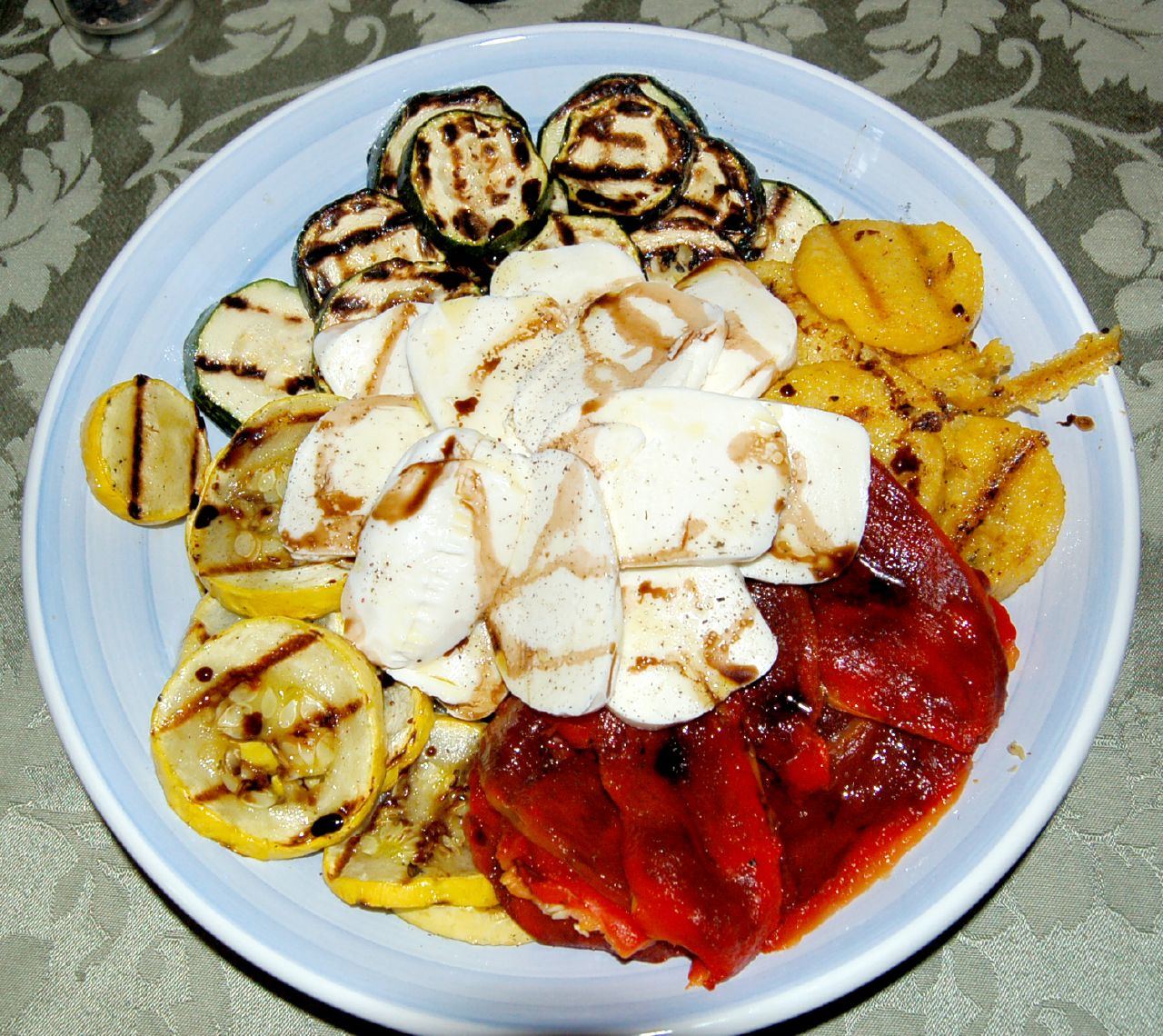
Nutrition researchers are giving fresh attention to Mediterranean style eating patterns built around vegetables, beans, whole grains, olive oil, and moderate amounts of fish and dairy. Studies of this approach focus on the overall pattern rather than single superfoods, examining how meals rich in fibre, unsaturated fats, and varied plant foods relate to heart and metabolic health over time. Dietitians note that the style is flexible across cultures and budgets, since frozen vegetables, tinned beans, and seasonal produce fit the pattern well. The emphasis on shared, unhurried meals is also considered part of its appeal. Researchers also point out that enjoyable, social eating is more likely to be maintained long term than strict rules, which helps explain the enduring interest in this particular approach.
What the Evidence Shows
Practical advice from nutrition services starts with small, sustainable changes: adding an extra vegetable to main meals, swapping butter for olive oil in cooking, and choosing whole grains more often. Experts caution against expensive branded products marketed under a Mediterranean label, which are unnecessary for following the pattern. People with medical conditions or those taking medication should discuss major dietary changes with their clinician, particularly where blood sugar or blood fats are being managed. Cooking classes and community programmes increasingly teach these meals as affordable family food rather than a restrictive diet. The message from researchers remains consistent: patterns matter more than perfection. Food educators add that involving children in preparing vegetables and salads can build lasting habits, making healthy meals a normal part of family life rather than a short lived health campaign. Reporting and analysis from sources such as The Lancet track the same developments, and specialists following vegetable rich Mediterranean style meals say the direction is now consistent across independent lines of evidence.
The Wider Context
Equity runs through every discussion of vegetable rich Mediterranean style meals. Interventions that require apps, fees or free weekday afternoons reliably reach the people who need them least, so the programmes earning praise are those designed around clinics, workplaces and community venues that already serve everyone. Evaluation reports now publish uptake by income and region as a matter of routine.
What Happens Next
The practical takeaway on vegetable rich Mediterranean style meals is deliberately unglamorous: it works best as part of ordinary, well-delivered care rather than as a standalone fix. Health services are planning on that basis, building the referral routes and follow-up that turn a promising result into population benefit. The gains arrive slowly and then, in the statistics, unmistakably. You can follow related developments in our coverage of health.
It is also worth remembering how quickly the picture in this area has changed before. Positions that looked settled a few years ago have been revised as new data arrived, and the same humility is appropriate now. The strongest coverage of this subject, and the most useful advice, tends to come from sources that update their views openly when the facts move, rather than defending an earlier position long after it has stopped fitting the evidence available.