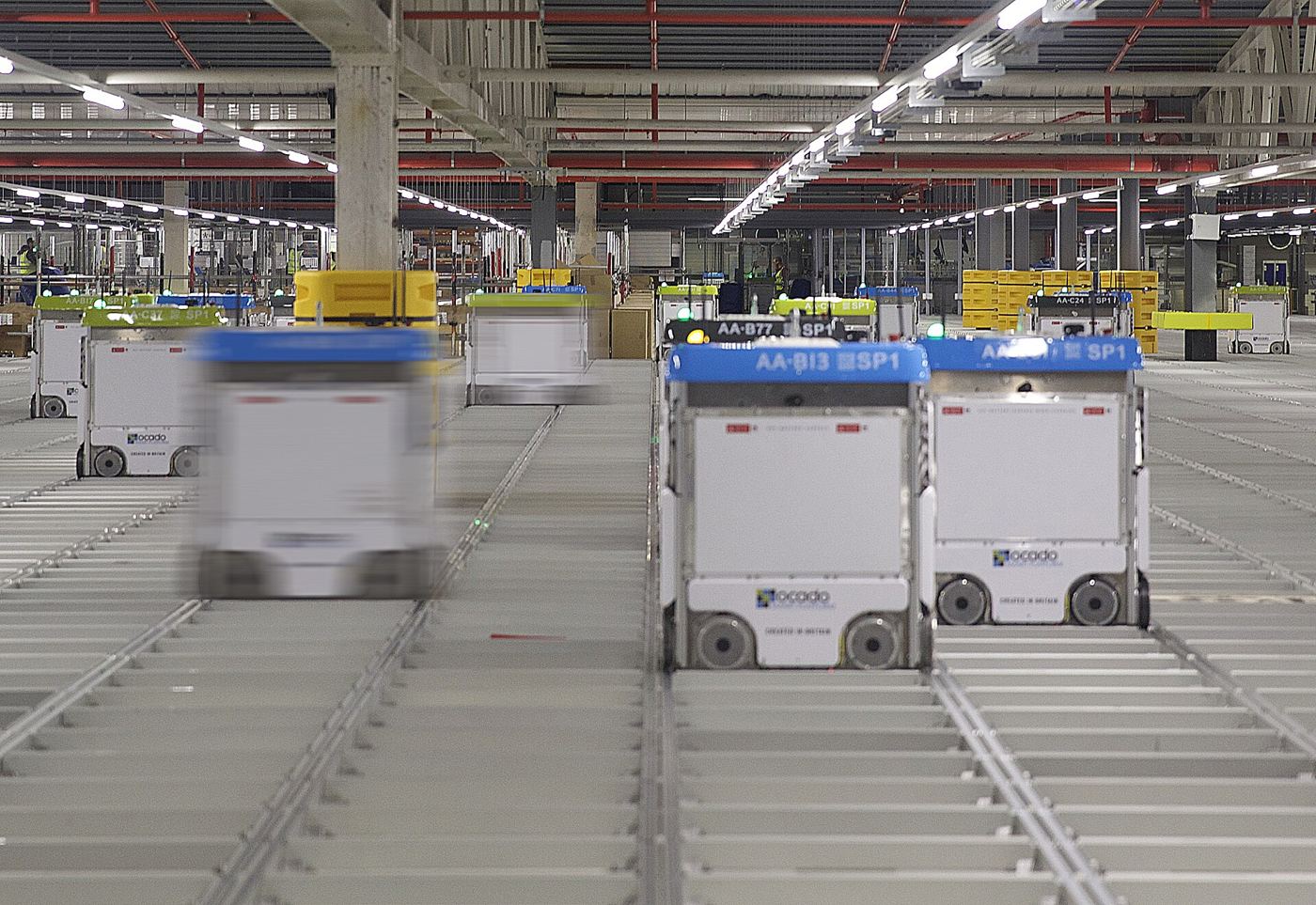
In the largest distribution centres, the shelves come to the people, carried by low mobile robots that glide across marked floors in organised traffic. The newest development is that these robots increasingly see as well as carry: cameras and scanners check shelf labels, count stock and flag gaps while goods are already moving to packing stations. That turns inventory checking from a periodic, disruptive audit into a continuous background process. Managers say accurate, live stock records prevent the classic warehouse failures, promising a customer an item that is not there, or losing sales on stock hidden in the wrong aisle. The robots’ quiet circuits beneath the shelves have become a data-gathering network as much as a transport system. Retailers watching seasonal peaks say that accuracy matters most at exactly those moments, when a stock error multiplies quickly into missed deliveries and disappointed customers.
What the Evidence Shows
Combining movement with scanning demands careful coordination. Software must route robots so they neither queue uselessly nor block each other’s paths, while charging is scheduled into natural pauses so the fleet lasts a full shift pattern. Human pickers benefit when the system presents the right shelf at the right moment and highlights exactly which compartment holds the item, cutting search time and errors. When a scan disagrees with the records, staff investigate a small, specific discrepancy instead of recounting whole aisles. Operators stress that the technology works best when warehouse layouts, packaging and staff training are designed around it. A robot fleet dropped into an unchanged building rarely delivers the same results. Further ahead, operators expect scanning to merge with forecasting, so shelves are not only counted continuously but repositioned before demand shifts, not after it has already moved. Reporting and analysis from sources such as IEEE Spectrum track the same developments, and specialists following inventory-scanning warehouse robots say the direction is now consistent across independent lines of evidence.
The Wider Context
Adoption of inventory-scanning warehouse robots follows a familiar pattern with an unfamiliar speed. Early users tolerate rough edges in exchange for advantage, mainstream users arrive when the tool disappears into existing workflows, and the market consolidates around whoever made that transition feel effortless. Vendors are racing less on raw performance now than on integration, support and trust.
What Happens Next
The realistic forecast for inventory-scanning warehouse robots is steady integration rather than sudden replacement: embedded in products people already use, improving in increments, and regulated in proportion to its reach. The companies and institutions that plan on that basis, training staff and redesigning processes instead of chasing launches, are the ones the adoption data tends to vindicate. You can follow related developments in our coverage of technology.
It is also worth remembering how quickly the picture in this area has changed before. Positions that looked settled a few years ago have been revised as new data arrived, and the same humility is appropriate now. The strongest coverage of this subject, and the most useful advice, tends to come from sources that update their views openly when the facts move, rather than defending an earlier position long after it has stopped fitting the evidence available.